

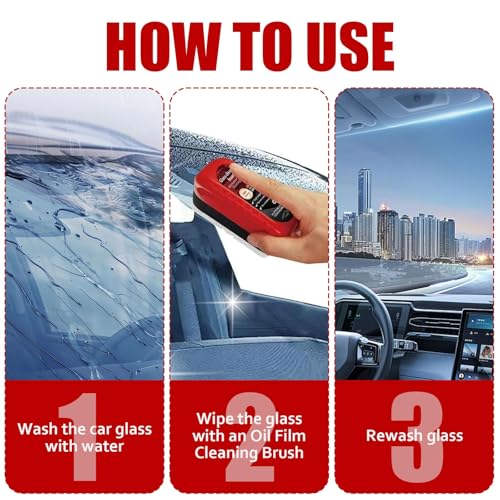
For windshields, choose a glass oil film remover; for grease, use a pro degreaser.
Headlights are bright. Rain is falling. Your wipers sweep. Yet you still see glare and smears. That hazy film is road oil bonded to glass. Your view suffers, and night driving gets tense. I have tested simple tools that strip that film fast. I also reach for a pro degreaser to melt sticky engine grime and driveway spills. If you want the best car oil for cleaning jobs inside and out, these picks clear glass, cut oil, and bring back that crisp, safe view you need.
QUANROL Oil Film Brush (2-Pack)

This compact 2-pack brush set targets the thin oil film that clings to windshields. The pads use a fine, gentle abrasive to lift stuck-on film without harsh chemicals. The handle sits well in the hand, so you can work along edges and tight corners. Use it with water, a mild cleaner, or a dedicated glass oil film liquid.
I like it for quick weekend upkeep. It helps prep glass before a rain repellent or ceramic spray. Night glare drops when the film is gone. For a small price, it brings big clarity when you need a fast fix.
Pros:
- Two-pack value for home and travel
- Gentle pad lifts bonded oil film
- Great for edges and corners
- Works with water or cleaner
- Improves night and rain visibility
Cons:
- Heavy film may need more time
- Small handle may tire large hands
- No included liquid cleaner
My Recommendation
Pick this if you want a simple tool that clears film fast. It is ideal for weekly windshield care and for drivers who fight glare at night. If your goal is the best car oil for cleaning haze from glass with low effort, this set is a smart start. Pair it with a glass cleaner for best results.
| Best for | Why |
|---|---|
| Weekly windshield de-film | Simple pad lifts light oil quickly |
| Night glare control | Removes the film that scatters light |
| Budget glass care | Two brushes at a low price |
Fululuer Oil Film Remover XL 2.0

This upgraded remover targets bonded oil film and leaves a light anti-rain and anti-fog layer. The XL design gives more coverage per pass. It helps water bead and roll off, which reduces smear zones. I notice clearer vision in rain and less fog creep at night.
Apply to clean glass and work in small areas. Wipe off well to avoid haze. The 2.0 coating is not a heavy sealant, but it boosts clarity between deep cleans. It earns a spot for drivers who want clean plus mild protection in one step.
Pros:
- Two-in-one clean and light coat
- Anti-rain and anti-fog boost
- XL surface area speeds work
- Great for long trips and wet weather
- Helps lower night glare risk
Cons:
- Coating life is modest
- Over-application may leave haze
- May need extra wipe near wiper sweep
My Recommendation
Choose this if you want a remover that also leaves a mild shield. It suits commuters, rideshare drivers, and anyone who faces rain often. If you ask me for the best car oil for cleaning film and adding a quick beading boost, this XL 2.0 kit is a sharp pick. Just follow label steps for a clear, streak-free finish.
| Best for | Why |
|---|---|
| Rainy climates | Light anti-rain coating helps water bead |
| Fog-prone commutes | Anti-fog aid keeps glass clearer |
| One-step glass care | Cleans and protects in a short session |
Oil Eater Original Degreaser (1 Gallon)
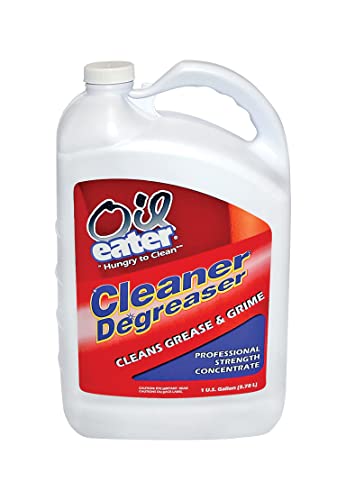
This is a professional strength degreaser built for tough oil and grime. It cuts through engine bay mess, tools, wheels, and garage stains. You can dilute it for light jobs or use it stronger for heavy buildup. It is a shop-grade staple that saves time.
I keep it on hand for oil spills on concrete and old baked-on grease. It is water-based and does not rely on harsh acids. Always spot test and follow care guides for the surface. Avoid long sits on bare aluminum and rinse well.
Pros:
- Melts oil and grease fast
- Can be diluted to match the job
- Great value in a 1-gallon jug
- Works on floors, tools, and engine areas
- Water-based formula for easy rinse
Cons:
- Not for delicate paint or glass
- May dull bare aluminum if too strong
- Strong smell at higher strength
My Recommendation
Get this if you need serious oil cleanup beyond glass. It is perfect for garages, detailing bays, and DIY engine work. If your idea of the best car oil for cleaning includes driveway stains and greasy parts, Oil Eater is a proven pick. Use gloves, ventilate, and dilute as needed.
| Best for | Why |
|---|---|
| Engine bay degreasing | Breaks heavy oil and sludge |
| Garage and driveway stains | Clings and lifts old oil marks |
| Detail shops and DIYers | Gallon size and flexible dilution |
WLLEADG Glass Oil Film Remover (2pcs)

This 2-piece set focuses on removing oily smears and film from car glass. The pad surface has a fine bite that works better than a plain towel. It targets the bonded layer that causes streaks when wipers run. With light pressure, it breaks that bond and frees the glass.
I reach for it when glare starts to show at dusk. It pairs well with glass cleaner or a few drops of film remover liquid. The form factor is easy to tuck in a glove box. It is an affordable way to fight haze all year.
Pros:
- Two tools for car and backup
- Fine pads remove stuck oil film
- Compact and glove box friendly
- Good for inside and outside glass
- Reduces wiper chatter zones
Cons:
- Do not use dry on tinted film
- May need several passes on heavy buildup
- No storage pouch included
My Recommendation
Choose this set if you want a low-cost, effective glass fix. It suits new drivers, fleet cars, and anyone who commutes at night. For many buyers, the best car oil for cleaning is a simple tool they will actually use. This one fits that bill and helps keep vision clear.
| Best for | Why |
|---|---|
| Everyday commuters | Fast film removal with low effort |
| Glove box kits | Compact size and two-pack value |
| Dusk and night driving | Less glare and fewer smears |
MAUSGAAV Oil Film Brushes (3-Pack)

This three-pack gives you a brush for each car, or spares for the year. The pad pulls off oily haze and clears wiper tracks. It claims anti-rain and anti-fog support when paired with cleaner. The red housings are easy to spot in a bin or trunk.
I like sets like this for families with more than one vehicle. Keep one brush in each glove box. The simple pad texture does the heavy lifting. It is a practical way to stay ahead of film buildup and glare.
Pros:
- Three-pack value for multi-car homes
- Pad texture cuts bonded film
- Great for fast glass upkeep
- Easy to store and grab
- Pairs well with rain repellents
Cons:
- Pad may wear with heavy pressure
- Not a full coating kit
- No case or cleaner included
My Recommendation
Use this if you manage several cars or a small fleet. It is simple, repeatable, and cheap to replace. If you want the best car oil for cleaning without overthinking it, a 3-pack keeps tools where you need them. Add a bottle of glass cleaner and you are set.
| Best for | Why |
|---|---|
| Multi-vehicle families | One brush per car keeps care simple |
| Quick weekend care | Fast de-film before trips |
| Budget-minded buyers | Three tools for a low cost |
Chemical Guys Total Interior Cleaner

This cleaner is for the inside. It lifts body oils, sunscreen haze, and greasy prints from touch points. It works on leather, vinyl, plastic, rubber, screens, and interior glass. The new car scent is light and clean.
I use it to remove the oily film that builds on the inside of windshields. Screens look crisp again. Trim feels clean, not slick. It is my go-to for fast interior resets before a trip.
Pros:
- All-in-one interior use
- Safe on screens and clear plastics
- Leaves a dry, clean finish
- Light new car scent
- Great for daily wipe-downs
Cons:
- Not for heavy grease like engine bays
- Scent preference varies by user
- 16 oz may run out fast for big jobs
My Recommendation
Grab this if you hate oily smudges inside the car. It is perfect for steering wheels, screens, and the inside windshield. When shoppers ask me for the best car oil for cleaning interior film, this bottle always comes up. Keep a microfiber towel with it for a fast, streak-free finish.
| Best for | Why |
|---|---|
| Interior film on glass | Lifts oils without streaks |
| Screens and controls | Safe and low residue |
| Daily quick cleans | Fast spray-and-wipe workflow |
luseyfj Oil Film Cleaning Brush

This upgraded brush focuses on anti-fog and rainproof support when used with cleaner. The pad lifts film while you work in a beading layer. The handle is light and easy to guide across wide glass. It is reusable and cleans up with a quick rinse.
I like it for quick de-film before dawn drives. Vision is crisp and less prone to misting. It is not a heavy ceramic coat, but it helps. For a small tool, it punches above its price.
Pros:
- Removes film and boosts beading
- Reusable pad cleans easy
- Lightweight and simple to use
- Good for dawn and night prep
- Affordable upgrade for glass care
Cons:
- Protection is mild and needs upkeep
- Works best with a quality cleaner
- No storage case included
My Recommendation
Choose this if you want a reusable tool that adds a little protection as you clean. It is a nice pick for early commuters and rainy seasons. If your goal is the best car oil for cleaning film without fuss, this brush gets it done. Keep it with your wash kit for easy reach.
| Best for | Why |
|---|---|
| Dawn drives | Clears film and helps resist fog |
| Light rain prep | Adds mild water beading |
| Quick touch-ups | Easy, rinse-clean pad |
How to Choose the Best Car Oil for Cleaning Tasks
Think about where the oil is. Windshield film needs a mild abrasive pad or a film remover liquid. Engine bays and driveways need a strong degreaser. Interiors need a safe, low-residue cleaner.
Match the tool to the job. For glass, a brush pad lifts bonded oil without scratching. For heavy grease, use a water-based degreaser and rinse well. For inside film, a gentle interior spray is best.
Consider your routine. A two-pack or three-pack brush helps with weekly upkeep. A gallon degreaser is great for seasonal deep clean. A small interior bottle keeps daily prints in check.
Finally, focus on safety. Wear gloves with strong cleaners. Ventilate. Keep cleaners off paint when they are not paint-safe. Test in a small spot first.
I use the phrase best car oil for cleaning as a guide, not a single product. The “oil” to remove is on the glass, plastic, or concrete. The right tool makes that job fast and safe.
Expert Tips for a Streak-Free, Glare-Free Windshield
Work in the shade. Hot glass flashes product and leaves haze. Cool glass gives you time to lift film and buff clear.
Wash first. Dirt can scratch. Clean with car shampoo, rinse, and dry. Then remove oil film with a pad or product.
Use two towels. One damp to lift residue. One dry to buff streaks. Flip often to a clean side.
Clean inside glass too. Cabin film builds from off-gassing, skin oils, and sprays. That haze adds glare at night.
Finish with a light rain repellent if you drive in storms. It helps wipers and reduces smear zones. It also keeps film from bonding as fast.
These small steps make even the best car oil for cleaning work better. Tools shine when your process is simple and steady.
Real-World Use Cases and Pairings
Night glare before a road trip? Use a film brush on the outside, then an interior cleaner on the inside. Do both sides for a true “crystal” feel.
After a rainy week, wipers may chatter. Strip the glass with a film remover. Then reset your rain repellent. Wipers glide again.
Engine bay sticky after an oil change? Cover sensitive parts, use a diluted degreaser, agitate with a soft brush, and rinse low-pressure. Dry and re-lube hinges after.
Driveway oil spot? Pre-soak with degreaser, scrub with a stiff brush, and rinse. Older stains may need two rounds.
Daily rideshare duty? A small interior spray and a microfiber in the door pocket keeps screens, glass, and trim clean between riders.
In each case, the best car oil for cleaning is matched to the task. That simple choice saves time and gives better results.
FAQs Of best car oil for cleaning
What is oil film on a windshield?
It is a thin layer of road oils and grime that bonds to glass. It scatters light and causes glare. Wipers can smear it until you remove it.
Can I use engine oil to clean parts or glass?
No. Engine oil is not a cleaner. Use a degreaser for parts and a film remover for glass.
How often should I remove oil film?
Every 2–4 weeks for daily drivers. More often in rain or dusty areas. Clean inside glass monthly, too.
Is a strong degreaser safe on car paint?
Many are not. Read labels. Keep heavy degreasers off paint and glass. Rinse quickly if there is contact.
What is the best order to clean the windshield?
Wash, dry, remove oil film, then apply a light rain repellent. Clean the inside last for a streak-free view.
Final Verdict: Which Should You Buy?
For glass clarity, start with a dedicated oil film remover brush like QUANROL, WLLEADG, or MAUSGAAV. Add Fululuer if you want a light anti-rain and anti-fog boost.
For heavy grease, Oil Eater is the workhorse. For interior haze, Chemical Guys makes daily wipes easy. The best car oil for cleaning depends on the job, but these picks cover every need fast.

James Carter is an automotive blogger, reviewer, and technology enthusiast based in the USA. With a deep passion for cars and years of experience following the automotive industry, James focuses on delivering honest, well-researched content that helps readers make smarter decisions.