

For toddlers, the best car seat for plane is the WAYB Pico.
You booked the tickets, packed the snacks, and now comes the stress point: keeping your child safe and comfy at 35,000 feet without breaking your back hauling gear. Flying with kids is hard enough, and not every seat fits a cramped airplane row or installs fast during boarding. That’s where knowing the best car seat for plane travel changes everything. I’ve flown solo with a toddler, lugged steel-framed convertibles, and tested lightweight, foldable options. In this guide, I’ll show you what actually works in the real world, so you can board calm, buckle fast, and land with your sanity intact.
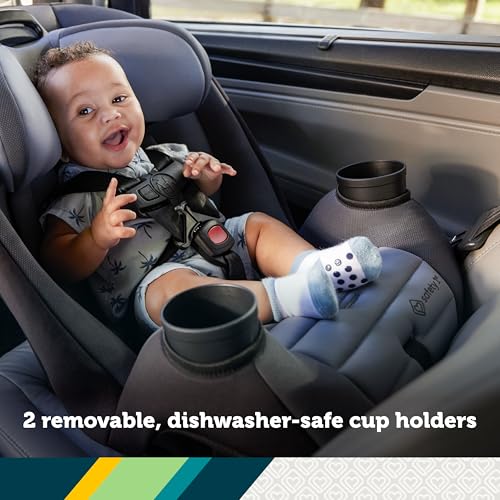
Safety 1st Ellaris 3-in-1 Convertible

The Safety 1st Ellaris 3-in-1 aims to do it all without hogging space. Its slim profile helps in tight airplane rows and rental cars alike. The 5-position headrest grows with your child, and the machine-washable pad keeps cleanup simple after long-haul travel. It is designed for rear- and forward-facing, which gives you flexibility as your child moves through stages.
On planes, I look for a seat that installs quickly with a lap belt, and the Ellaris checks that box when used in harness mode. Always verify the FAA approval label on the seat shell before flying; most convertibles from this brand include it. The narrower base helps it fit in more economy seats, though bulkier reclining shells can still meet armrest conflicts on some aircraft. For a budget-friendly do-it-all seat, this is a strong pick.
Pros:
- Slim design helps in tight plane rows and compact cars
- Rear- and forward-facing modes cover early years
- Machine-washable cover speeds post-trip cleanup
- 5-position headrest supports growth and comfort
- Budget price point for a multi-stage convertible
Cons:
- Bulkier than travel-focused options; not ultralight
- Recline angle can be tricky in some narrow airplane seats
- Carrying through the terminal can feel heavy without a bag
My Recommendation
If you want one seat to use in the car daily and still take on a plane, the Ellaris is a practical choice. It’s not the lightest, but its slim frame and washable cover help on travel days. Check that FAA sticker before your trip and plan to use a travel strap or backpack to carry it. For parents who want value and flexibility, this can be the best car seat for plane and car use on a budget.
| Best for | Why |
|---|---|
| Budget-minded families | Good price for a 3-in-1 with travel-friendly size |
| Mixed travel and daily driving | Works for road trips and flights with washable cover |
| Three-across setups | Slim fit helps in compact rows and backseats |
Diono Radian 3R Slim Convertible
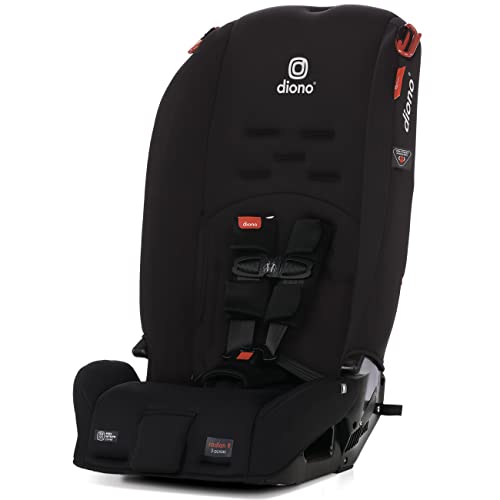
The Diono Radian 3R is famous for its narrow footprint and long use life. It fits three-across in many cars and can work in economy seats where wider convertibles fail. Its steel-reinforced frame feels bombproof, which many parents love for road safety. It also folds for carrying, which helps when hustling to a distant gate.
I’ve flown with a Radian, and here’s the honest truth: it fits and installs well in forward-facing mode on most planes, but it is heavy. The fold helps, and you can add a carry strap for shoulder transport. Rear-facing installs can run into recline issues on some aircraft, so plan ahead based on your child’s age and airline seat pitch. If you want a single seat to last years, this is a workhorse.
Pros:
- Ultra-narrow width for tight airplane rows
- Steel-reinforced frame for solid on-road safety
- Folds for easier transport through airports
- Long use life from toddler to booster stages (car use)
- Excellent for three-across in compact cars
Cons:
- Heavy to carry; best with a strap or travel bag
- Rear-facing can be difficult on planes due to angle
- Padding is firmer than plush travel seats
My Recommendation
For families that prioritize a narrow, long-lasting seat, the Radian 3R is a top-tier pick. It’s not the lightest, but it’s one of the most space-efficient. If your child is forward-facing and you want one seat to handle daily driving and flying, this can be the best car seat for plane travel where width is tight. Pack a carry strap and you’re set.
| Best for | Why |
|---|---|
| Narrow airplane seats | One of the slimmest convertibles available |
| Families needing one seat for years | Extended use span and durability |
| Three-across car setups | Proven slim fit in compact vehicles |
J.L. Childress Car Seat Gate Check Bag
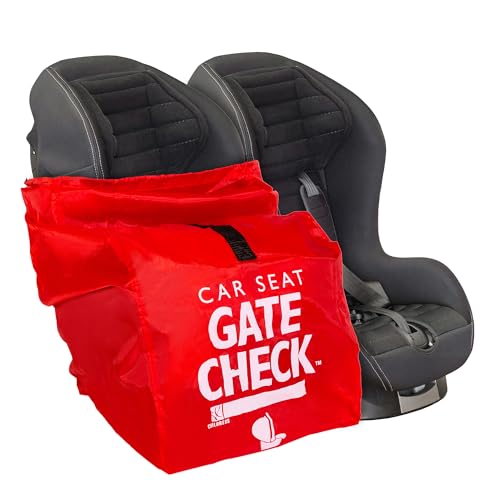
When you need to gate-check your seat, this bright red bag keeps it clean and easy to spot. It fits most infant and convertible car seats and cinches closed fast. The material helps shield from dirt, grease, and weather while moving down the jet bridge. It also packs small in your carry-on when not in use.
Note that gate-check bags like this protect from grime, not impact. If you choose to check a car seat, gate-checking is safer than counter-checking due to less handling, but the safest option is to use the seat on board. Still, I keep this bag in my kit because it’s lightweight, affordable, and airline agents recognize it at a glance.
Pros:
- Bright color is easy to identify at the gate
- Quick cinch closure speeds boarding
- Protects from dirt, moisture, and scuffs
- Folds down compact in a diaper bag
- Fits many infant and convertible seat shapes
Cons:
- No padding; not for impact protection
- Fabric can wear with repeated heavy use
- Shoulder carry is basic; not a backpack
My Recommendation
If you must gate-check a car seat, this bag is a simple, low-cost tool that works. I use it as a clean shell and luggage tag in one. It’s not a substitute for using the seat on board, which is best for safety, but it keeps your gear from getting grimy. For travelers who sometimes check gear, it pairs well with the best car seat for plane days when you buy your child a seat and bring the CRS on board.
| Best for | Why |
|---|---|
| Gate-checking a seat | Fast to use and protects from dirt and rain |
| Budget travelers | Affordable and compact when stored |
| Backup protection | Great “just-in-case” carry-on item |
YOREPEK Padded Car Seat Travel Backpack
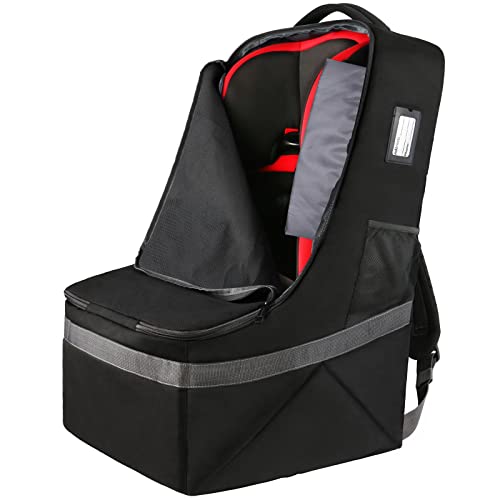
Hauling a heavy seat through a terminal is no fun—this padded backpack solves it. Thick material and extra room make it easier to carry bulkier convertibles like the Radian. The backpack straps free your hands for strollers, boarding passes, and your child’s hand. Zippers and pockets help stash harness pads and manuals so nothing gets lost.
Padding helps with scuffs and bumps, though no soft bag is true impact protection if you check a seat. I mainly use padded backpacks like this to carry the seat to the plane door, then install it on board. It’s also handy for rental car counters so you’re not juggling gear. If you need hands-free carry, this is a smart upgrade over a drawstring bag.
Pros:
- Backpack carry keeps hands free at the airport
- Padded walls reduce scuffs and dirt
- Spacious fit for many large convertibles
- Pockets for small parts and paperwork
- Durable build for frequent flyers
Cons:
- Bulkier than simple gate-check bags
- Added weight versus non-padded covers
- Still not impact-protective if checked
My Recommendation
If you carry your seat all the way to your row, get a padded backpack. It turns a tough slog into a hands-free walk, which matters when boarding with kids. Pair this with a slim convertible or a foldable seat to create a no-stress setup. For frequent flyers trying to bring the best car seat for plane travel on board, this bag is a game changer.
| Best for | Why |
|---|---|
| Solo parents | Hands-free carry makes boarding easier |
| Heavy seats | Padded, supportive backpack straps |
| Frequent flyers | Durable fabric handles repeated trips |
WAYB Pico Travel Car Seat + Carry Bag

The WAYB Pico is the seat I grab first for flying with older toddlers and preschoolers in the 22–50 lb, 30–45” range. It folds small, weighs about as much as a laptop bag, and installs fast with a plane lap belt. The aluminum frame and mesh seat keep it light yet sturdy. Its premium carry bag slides under the seat in front of you.
On airplanes, this seat feels purpose-built: narrow, low-profile, and quick to secure. It’s forward-facing only, so it’s not for infants or kids who still need rear-facing. For city trips, rideshares, and taxis, it’s also fantastic. If you want the best car seat for plane use with a child who meets its limits, the Pico is hard to beat for ease and speed.
Pros:
- Ultra-light and foldable; perfect for air travel
- Fast airplane installs with the lap belt
- Premium carry bag fits in overhead or under-seat
- Comfortable, breathable mesh for long flights
- Great for rideshares and taxis at your destination
Cons:
- Forward-facing only; not suitable for infants
- Child must be within 22–50 lb and 30–45”
- Higher price than basic convertibles
My Recommendation
If your child is within the size range, this is my top pick for flying. It installs fast, carries light, and turns layovers into a breeze. It’s the best car seat for plane days when you need speed and sanity at the gate. I also love it for rideshares, where you can unfold, buckle, and go.
| Best for | Why |
|---|---|
| Frequent flyers | Lightweight, foldable, and ultra-portable |
| Rideshare-heavy trips | Sets up fast in taxis and Ubers |
| Small airplane rows | Narrow, low-profile design fits easily |
How to Choose the Best Car Seat for Plane Travel
Air travel adds constraints that cars don’t. Rows are narrow. Recline angles are fixed. You can’t use LATCH on planes, only the lap belt with the harnessed seat. The best car seat for plane travel must match these rules and fit your child’s age and size.
Start with FAA approval. Look for a label that says the seat is certified for use in motor vehicles and aircraft. Without it, the airline can refuse onboard use. Most harnessed convertibles and many travel-specific seats have this label.
Measure width. Economy seats are tight. Narrow seats near 17 inches wide are safer bets. Seats that are too wide can jam against armrests. I aim for compact shells or travel-focused designs to make boarding easier.
Mind the mode. Rear-facing on planes often takes space and specific angles. Some reclines won’t work in tight pitches. Forward-facing installs are simpler, but follow your child’s safety needs first. If your child still needs rear-facing, call the airline for bulkhead or extra-legroom seats.
Choose carry style. If you’re flying solo, a foldable seat or a padded backpack is gold. The best car seat for plane travel becomes a problem if you can’t carry it while holding your child’s hand. Plan your carry solution along with your seat choice.
How I Test and What I Look For
I fly with kids multiple times a year. I have hauled steel-framed convertibles across hubs. I’ve also used compact, foldable seats that felt like a breath of fresh air. My tests focus on real-world boarding, belt routing on actual aircraft seats, and comfort on long legs.
I check lap belt access, buckle path clarity, and how fast I can get a tight install. I test fit in window seats with the armrest down. I also note where cupholders or wings snag. Finally, I judge carry comfort from curb to gate and through connections.
Plane Installation Tips That Save Time
Board early if your airline offers family boarding. More time means less pressure when threading belts. Sit at the window; most airlines require car seats there to avoid blocking others’ exits.
Use the lap belt through the airplane belt path only. Do not use LATCH on planes; it’s not allowed. Pull all the slack from the buckle side, then from the retractor side, keeping downward pressure in the seat.
Ask a flight attendant to raise the armrest if it blocks the install. Many armrests lift to help seat the base. If the recline is wrong for rear-facing, try bulkhead or consider forward-facing if your child meets age and size rules.
Airline and Airport Realities
Most U.S. airlines allow FAA-approved car seats on board if your child has a paid seat. You can also use a CARES harness for certain ages and sizes, but that is not a car seat. Policies vary for preboarding and window-seat rules, so check your airline before you fly.
Gate-checking is free for strollers and car seats on many airlines. If you gate-check, use a bag to keep it clean. But the best protection is using the seat on the plane. The best car seat for plane safety is the one your child is buckled into during turbulence.
Product Deep Dive: Which One Is Truly Best for You?
If your child is 22–50 lb and 30–45”, the WAYB Pico is the best car seat for plane convenience. It folds, carries light, and installs fast with a lap belt. Nothing beats it for navigating busy airports and tight airplane rows with a forward-facing child.
If you need rear-facing or an all-in-one seat, the Safety 1st Ellaris 3-in-1 is a smart budget pick. It’s slim, washable, and practical for families who want one seat for home and travel. For narrow rows and long-term durability, the Diono Radian 3R is excellent, but plan for the weight.
For checking or carrying, the J.L. Childress Gate Check Bag and YOREPEK Padded Backpack are must-haves. The Childress bag is about cleanliness and speed. The YOREPEK bag adds comfort and storage. Pair either with your pick for the best car seat for plane trips, and you’re ready for stress-free boarding.
Quick Safety and Policy Checklist
- Look for the FAA approval label on your car seat.
- Use the airplane lap belt in the car seat’s belt path; do not use LATCH.
- Book a window seat for car seat placement.
- Board early to allow time for installation.
- Carry a travel bag if you might gate-check.
Real-World Scenarios and My Advice
Flying solo with a toddler: Choose a foldable or ultralight seat like the Pico and the YOREPEK backpack. The combo turns chaos into control. It’s the best car seat for plane trips when you need one-hand carry and a fast install.
Two kids, two seats: Consider one compact convertible and one travel-specific seat to balance weight and fit. A Radian for a child who needs narrow, and a Pico for the older one, is a solid setup.
International flights: Call ahead. Some carriers have different policies for car seats and bassinets. Bring proof of age and your seat’s manual showing aircraft use. The best car seat for plane travel is the one you can actually use on your airline’s planes.
Budget vs. Premium: What Actually Matters
Premium buys you lighter weight, fast installs, and compact carry. Budget buys you versatility and all-in-one use. Both can be the best car seat for plane trips for different families.
If you fly often, weight matters more than anything. Every gate, jet bridge, and connection adds up. If you fly once a year, a slim convertible with a basic gate-check bag may be enough.
Always weigh the hidden costs: sore shoulders, slow installs during boarding, and fit fights with armrests. Those costs are real on travel day.
FAQs Of best car seat for plane
Does my car seat need to be FAA approved to use on the plane?
Yes. It must have a label stating it’s certified for use in motor vehicles and aircraft. Without it, the airline can deny onboard use.
Can I use LATCH on an airplane?
No. Airplanes do not use LATCH. Install with the plane’s lap belt through the correct belt path.
Where should I place a car seat on the plane?
Most airlines require it at the window seat so it does not block others. Check your airline’s rules.
Is gate-checking safe for car seats?
Gate-checking reduces handling versus counter-check, but only onboard use keeps your child secured during turbulence.
What’s the lightest good option for older toddlers?
The WAYB Pico is a top pick for 22–50 lb and 30–45” kids. It’s light, foldable, and fast to install.
Final Verdict: Which Should You Buy?
For pure ease, speed, and carry comfort, the WAYB Pico is the best car seat for plane use if your child meets the limits.
Need a convertible? Pick the slim, value-friendly Safety 1st Ellaris or the narrow, durable Diono Radian 3R. Add a gate-check or padded backpack to complete your travel kit.

James Carter is an automotive blogger, reviewer, and technology enthusiast based in the USA. With a deep passion for cars and years of experience following the automotive industry, James focuses on delivering honest, well-researched content that helps readers make smarter decisions.