

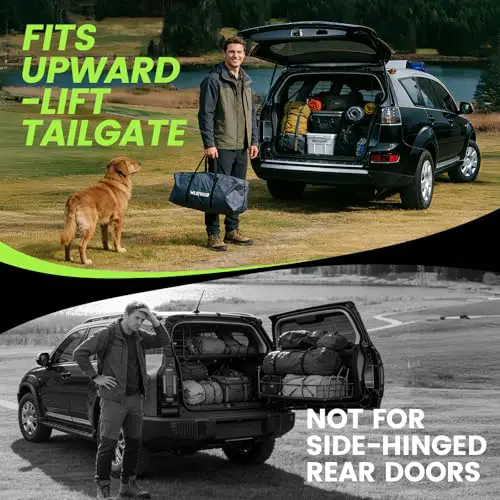
The best cars for car camping include Subaru Outback, Toyota Sienna, Honda CR‑V, and Ford Maverick.
You want a car that sleeps two, hauls gear, and gets you to the trailhead without drama. I’ve spent years testing vehicles and camping setups to learn what works on real trips. The best cars for car camping are the ones that balance space, comfort, fuel savings, and simple setup. In this guide, I cover the best vehicles to sleep in, what to look for before you buy, and the key accessories that make your nights warmer and safer. I also review a few smart products that pair well with any camping car setup.
WildFinder 5–9 Person SUV Car Camping Tent

This large SUV tent turns your hatchback, SUV, or pickup into a cozy basecamp. The 8 ft by 10.6 ft footprint gives a real bedroom feel and lots of headroom. It connects to your vehicle so you can sleep inside your car or in the tent room. The fabric is built for rain and wind, so you stay dry when the weather flips.
I like the tall walls for easy gear stacking and the wide door for cool airflow. The shape fits a range of vehicles, from compact SUVs to full‑size trucks. With smart guylines and windows, you can tune ventilation and privacy. It also packs into a carry bag so it rides along without fuss.
Pros:
- Roomy standing height for dressing and stretching
- Vehicle passthrough keeps you warm and bug‑free
- Fits many SUVs, vans, Jeeps, and short‑bed pickups
- Waterproof fabric and solid wind stability when staked
- Multiple windows for cross‑breeze and views
- Great for families or long trips with lots of gear
Cons:
- Large packed size; not ideal for minimalist kits
- Heavier than backpacking tents
- Requires a suitable parking pad for full footprint
My Recommendation
This tent is a win if you want home‑like space with your car as the anchor. It’s ideal for small families, dog owners, and couples who road‑trip in SUVs and want fast access to a warm, dry vehicle. Pair it with the best cars for car camping like a Subaru Outback, Toyota RAV4, or Honda CR‑V and you get a flexible shelter for rain, wind, and chilly nights. Value is strong if you often set up for more than one night or need elbow room.
| Best for | Why |
|---|---|
| Families and groups | Large floor space and standing height fit cots and kids. |
| Variable weather trips | Waterproof build and vehicle passthrough add warmth and shelter. |
| SUV and pickup owners | Universal sleeve fits many tailgate shapes and heights. |
Best Tent Camping: Michigan Guide

This guidebook spotlights quiet, beautiful car‑camping sites across Michigan. It helps you find clean campgrounds, scenic lakes, and forests away from crowds. The write‑ups call out site sizes, noise levels, and road access, which matters when you sleep in your car. The tone is friendly and geared to folks who want easy planning.
I like the detail on local highlights and nearby trails. The maps and directions save time when cell service drops. Seasonal notes help you dodge bugs and time fall colors. It’s a great match for people driving the best cars for car camping through the Great Lakes.
Pros:
- Curated sites with peace and scenery in mind
- Useful notes on road surface and access
- Local tips for beaches, hikes, and views
- Clear maps for no‑service areas
- Time‑saving planning for weekenders
Cons:
- Michigan‑only coverage
- Campground info can change by season
- Not focused on RV hookups
My Recommendation
If you are new to Midwest road trips, start here. It is perfect for anyone driving a compact SUV or wagon and sleeping inside the vehicle at drive‑in sites. Use it with the best cars for car camping like the Subaru Forester or Toyota RAV4 to hop between lakes, dunes, and forests with less guesswork. It is small, easy to toss in your glove box, and it pays for itself on your first stress‑free weekend.
| Best for | Why |
|---|---|
| Weekend car campers | Curated choices cut research time. |
| Quiet site seekers | Focus on low‑noise, scenic spots. |
| Great Lakes explorers | Local tips for beaches, trails, and fall color. |
Best Tent Camping: Wisconsin Guide

This book helps you find low‑key, well‑kept campsites across Wisconsin. It points you to quiet loops, wooded nooks, and lakefront gems that work for car sleepers. Notes on site size and driveway length help when you drive larger SUVs or vans. The writing is simple and aimed at real people with real cars.
The entries flag which parks fill fast and which have walkable beaches. I like the practical notes on firewood, bugs, and road noise. It saves time and gas by steering you to the good stuff first. Take it along in the best cars for car camping when you want a smooth weekend up north.
Pros:
- Hand‑picked spots with car access details
- Good guidance on crowds and noise
- Helpful notes on lake and trail access
- Easy to skim and plan routes
- Great value for Wisconsin road trips
Cons:
- Wisconsin‑specific coverage only
- Park rules can change year to year
- Not a replacement for live weather or fire updates
My Recommendation
Choose this if you love lakes, forests, and simple drives. It fits anyone in a crossover, minivan, or wagon who wants low‑stress camp nights and clear directions. Match it with the best cars for car camping such as the Honda CR‑V or Kia Telluride for space, comfort, and easy parking. Keep it in your door pocket so you can make last‑minute plans without scrolling apps.
| Best for | Why |
|---|---|
| Lake weekenders | Leads you to quiet, waterfront parks. |
| First‑time car campers | Simple write‑ups remove guesswork. |
| Shoulder‑season trips | Notes help dodge crowds and plan timing. |
Mini First Aid Kit, 150-Piece (Red)

This compact first aid kit covers the basics for car, trail, and camp. The hard shell keeps items dry and protected in your trunk or door bin. Inside, you get bandages, antiseptic wipes, tape, and other small essentials. It is small enough to carry on a day hike yet complete enough for car camping.
The layout helps you find items fast when you need them. I like that it is waterproof, so rain and splashes are not a big deal. It makes sense for anyone driving to trailheads and sleeping in their car. It is a smart add‑on for the best cars for car camping because safety gear should be simple and ready.
Pros:
- Compact, water‑resistant hard shell
- Easy to stash in glove box or trunk
- Organized interior for fast access
- Good variety of everyday first aid items
- Lightweight for hikes or beach days
Cons:
- Not a full trauma kit
- May need extras like meds or blister pads
- Restocking required after use
My Recommendation
Keep this kit in your car at all times. It is ideal for families, solo campers, and anyone who values a ready, simple safety net. It pairs well with the best cars for car camping because it lives in your vehicle without taking space. Add personal meds, a few extra gauze pads, and you are set for minor mishaps, scrapes, and bug bites.
| Best for | Why |
|---|---|
| Everyday car carry | Small size fits door pockets and glove boxes. |
| Weekend camp trips | Covers common scrapes, cuts, and stings. |
| Families with kids | Quick, organized access during minor injuries. |
Best Tent Camping: Northern California
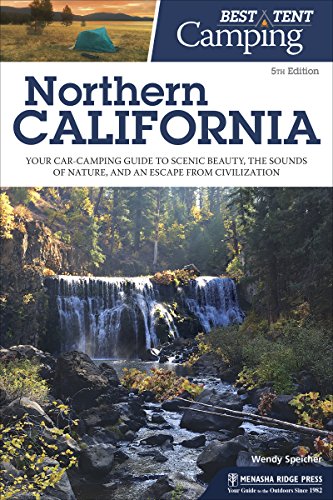
This guide points you to car‑camping gems from the redwoods to the Sierra. It focuses on scenic, quiet sites that are easy to reach by road. The write‑ups note camp pad size, shade, and nearby hikes, which help when you plan to sleep inside your car. It keeps the plan simple so you can focus on the trip.
Maps, directions, and park notes save time when planning long drives. I like the local advice on fog, wildfire season, and coastal weather. If you drive the best cars for car camping through the Pacific coast or mountains, this is a solid navigator. It makes your first NorCal trip feel like your tenth.
Pros:
- Curated, scenic car‑friendly sites
- Helpful notes for coastal and mountain weather
- Easy directions and planning tips
- Great for redwood and Sierra road trips
- Compact size for glove box storage
Cons:
- Northern California only
- Wildfire rules can shift fast
- Some top sites book up months ahead
My Recommendation
Pick this if you love coastal fog, big trees, and alpine lakes. It is a strong match for wagons, crossovers, and minivans set up for sleeping. Use it with the best cars for car camping like the Subaru Outback or Tesla Model Y for an easy, scenic loop. It offers real value by guiding you to the good stuff and away from crowded lots.
| Best for | Why |
|---|---|
| Coastal road trips | Focus on scenic, car‑friendly campgrounds. |
| Redwood seekers | Handy notes on shade and fog patterns. |
| Mountain loops | Clear tips for high‑country camp planning. |
Top Picks: Best Cars for Car Camping in 2026
The right vehicle changes how you camp. I look for a flat load floor, a cargo length near six feet, simple seat folding, and good MPG. All‑wheel drive helps on mud or snow. Roof rails, 12V outlets, and a quiet cabin make nights easier. Here are my top choices for 2026.
Subaru Outback
The Outback is a wagon with SUV chops. It offers a flat, long cargo area and low lift‑over height. Symmetrical AWD helps on dirt. It is one of the best cars for car camping if you value balance.
- Why it shines: Flat cargo floor over six feet with seats folded
- Nice extras: Roof rails that flip into crossbars, solid ground clearance
- Consider: All‑terrain tires add grip but raise road noise
Honda CR‑V (Hybrid available)
The CR‑V packs space, great MPG, and an easy fold‑flat rear row. It is quiet on highways and stable in wind. For many, it is the best cars for car camping sweet spot.
- Why it shines: Long cargo space and strong fuel economy
- Nice extras: Good driver aids for long drives
- Consider: All‑wheel drive is worth it for shoulder seasons
Toyota RAV4 Hybrid and Prime
The RAV4 Hybrid saves fuel while hauling camping gear. The Prime adds EV miles for silent campground cruising. Both make efficient, comfy sleepers.
- Why it shines: Efficiency, reliability, and simple seat folding
- Nice extras: Ample cargo cubbies and 120V outlet in some trims
- Consider: Primes are harder to find; plan early
Subaru Forester
The Forester has a tall cabin and giant windows. Visibility is top notch, which helps on rough forest roads. It is calm, roomy, and easy to set up for sleep.
- Why it shines: Square cargo area with lots of headroom
- Nice extras: Standard AWD and user‑friendly tech
- Consider: Roof weight limits matter if you add a tent
Ford Maverick (Hybrid or AWD)
This small truck is a sleeper hit. The bed fits a custom platform, and the tailgate angles to support a six‑foot sleep deck. Inside the cab, storage is smart and useful.
- Why it shines: Truck utility with car‑like MPG
- Nice extras: DIY‑friendly bed and power ports
- Consider: Bed length needs a platform for tall campers
Tesla Model Y
The Model Y offers Camp Mode for climate control while parked. The cargo floor is flat and long with rear seats down. It is very quiet at night.
- Why it shines: Flat floor and climate control without idling
- Nice extras: Massive under‑floor storage bin
- Consider: Plan charging near parks and trail towns
Kia Telluride / Hyundai Palisade
These three‑row SUVs ride smooth and offer huge cargo space with seats folded. They work well for families or tall sleepers. Comfort and features are strong for the price.
- Why it shines: Wide, long cargo area with seats stowed
- Nice extras: Quiet cabin and strong towing for gear
- Consider: Big size can limit rustic sites
Toyota 4Runner
The 4Runner is old school but tough. It handles rutted roads and rocky trailheads. People love its roll‑down rear window for ventilation.
- Why it shines: Rugged build with simple, reliable systems
- Nice extras: Tons of aftermarket storage and drawers
- Consider: Lower MPG; a platform helps level the sleep area
Honda Odyssey
This minivan is a stealth camper star. The third row folds into the floor. Remove the second row and you have a long, flat sleeping zone.
- Why it shines: Huge interior and sliding doors for easy access
- Nice extras: Power outlets and cabin storage
- Consider: Second‑row removal takes effort; plan storage
Toyota Sienna (Hybrid AWD available)
The Sienna is efficient and smooth. Newer models have non‑removable second rows, so plan a platform that bridges the second row and cargo floor. It still works very well once set up.
- Why it shines: Outstanding MPG for long trips
- Nice extras: Optional AWD for winter and dirt
- Consider: Sleep platform design matters due to seat layout
Chevrolet Suburban / GMC Yukon XL
These full‑size SUVs are giant inside. Tall sleepers can stretch out without a custom build. If you need max space, they deliver.
- Why it shines: Long, wide cargo bay for cots or foam beds
- Nice extras: Big fuel tank for remote trips
- Consider: Size can be tough in tight camp loops
Rivian R1S / R1T
Rivian’s Camp Mode keeps the vehicle level and the cabin comfortable. The R1T bed works with platforms or bed tents. The R1S has a flat, wide load floor.
- Why it shines: Built‑in camping features and strong range
- Nice extras: Onboard air and plentiful power ports
- Consider: Charging access varies by region
How to Choose the Best Cars for Car Camping
Start with sleep length. Aim for a cargo length near six feet with seats down. Check for a flat load floor and minimal gaps. If there is a slope, a simple platform fixes that.
Look at fuel use. Hybrids and efficient crossovers save money on long trips. AWD helps on dirt, mud, and snow, but raises fuel use a bit. Pick tires that match real use, not Instagram trails.
Plan storage. Seats that fold fully flat are gold. Under‑floor bins help hide gear. Roof rails let you carry totes, boards, and wet gear. Add a cargo net or drawer if you live on the road.
Check power and climate. You want at least two 12V ports. An inverter is a plus. EVs with camp modes can heat or cool all night without idling. That makes them some of the best cars for car camping in hot or cold weather.
Mind noise and comfort. A quiet cabin means better sleep. Window screens and cracked windows give airflow. Dark tint helps stealth, but always follow local laws. A simple foam pad and fitted window covers change the game.
Quick Setup Tips That Work Anywhere
Level your car. Park with your head higher than your feet for comfort. If needed, small leveling blocks fix slight slopes.
Use window covers. Reflective panels keep heat out by day and warmth in by night. Black fabric faces out for a stealth look.
Pack smart. Keep sleep gear in one tote, kitchen gear in another. Use soft bags that mold to the cargo space. That is how the best cars for car camping stay tidy.
Vent well. Crack two opposite windows for airflow. Add bug screens. Moisture drops and you sleep warmer.
Essential Accessories That Elevate Your Setup
Tailgate tent: A good SUV tent like the WildFinder expands space and airflow. It is ideal for rainy days, dogs, and family trips.
Books and maps: Regional guides cut planning time and steer you to quiet loops. They shine when signal dies.
First aid: A compact kit lives in your car. It is low cost and high impact when the trail or camp gets real.
Lighting: Rechargeable lanterns and headlamps beat a dome light. Warm white tones protect night vision.
Power: A small power station charges phones and lights. In EVs, use camp modes or 12V adapters as needed.
Sleep Platforms and Mats: Simple Wins
A folding tri‑fold memory foam mat is a good start. Add a plywood platform only if you need to bridge height changes or store bins under the bed. Keep it light and modular.
Measure twice. Many of the best cars for car camping support a 72–78 inch bed with the front seats slid forward. Taller sleepers can go diagonal or use a tailgate extension in trucks.
Simplify bedding. A fitted sheet over foam plus a down quilt is fast. In hot climates, a cotton sheet and light blanket do the job.
Real‑World Pairings I Love
Subaru Outback + SUV tent: Easy parking, sleep inside the car, hang out in the tent during rain. It is a flexible, two‑zone setup.
Ford Maverick + low platform: Tailgate set to mid‑height for a six‑foot sleep deck. Storage bins slide under the platform. Fast and tidy.
Tesla Model Y + window covers: Silent nights with climate set to low. Flat floor and under‑floor bin make packing simple.
Budget vs. Premium: What Actually Matters
Spend on comfort you feel every hour. That means a flat sleep surface, quiet ride, and stable climate. Save on paint, wheels, and fancy speakers.
The best cars for car camping are not always the newest. A clean used wagon or minivan with known service history can beat a pricey new SUV. Keep maintenance up and tires fresh. That pays off on lonely roads.
Seasonal Advice That Saves Trips
Summer: Heat builds fast. Window screens and shade matter. A light‑colored car helps a bit.
Fall: This is prime time. Cool air, warm bags, and quiet parks. Watch early frosts in the mountains.
Winter: Insulate windows and sleep on closed‑cell foam under your main pad. AWD shines here. Always carry a shovel and traction boards in snow country.
Spring: Mud season can strand low cars. Stick to gravel and paved sites until roads dry out.
FAQs Of best cars for car camping
What cargo length do I need to sleep in a car?
Six feet works for most people. Measure with rear seats folded. If it is shorter, sleep diagonal or add a platform.
Is AWD required for car camping?
No. AWD helps on mud and snow. Good tires and smart route choices matter more for most trips.
Which is better for camping, SUV or minivan?
Minivans offer more flat floor space. SUVs bring clearance and AWD. The best cars for car camping balance both for your roads.
Can I camp in an EV?
Yes. EVs with camp modes keep climate set without idling. Plan charging near parks and towns.
How do I keep windows open without bugs?
Use window screens or mesh socks. Crack two opposite windows for cross‑breeze and low condensation.
Final Verdict: Which Should You Buy?
If you want a roomy base with your vehicle, the WildFinder SUV tent is the best add‑on. For planning, those regional camping guides make fast work of trip dots on the map.
For safety, the mini first aid kit is a no‑brainer. Pair these with the best cars for car camping like a Subaru Outback, Honda CR‑V, or Ford Maverick, and you have a simple, proven setup for great nights outside.

James Carter is an automotive blogger, reviewer, and technology enthusiast based in the USA. With a deep passion for cars and years of experience following the automotive industry, James focuses on delivering honest, well-researched content that helps readers make smarter decisions.